
- What is an Employee Appraisal System?
- What is Employee Appraisal Software?
- Importance of the Modern Appraisal System
- Key Principles of the Modern Employee Appraisal System
- Modern Employee Appraisal Methods
- Real-Time Examples of a Successful Employee Appraisal System
- Best Practices to Build an Effective Appraisal System
- How to Choose the Right Employee Appraisal Software
- Overcoming Challenges With The Modern Appraisal System
- Conclusion
- FAQs
Appraisal is not only an assessment to evaluate an employee’s value but also a process altogether to strengthen the professional relationship with the workforce, retain the right talent, and share feedback.
Unfortunately, most companies underestimate the value of a well-designed appraisal system and just focus on monotonous annual reviews.
Having an appraisal system or employee appraisal software is highly required by businesses seeking growth and expansion. Even these stats support this idea:
- 98% of organizations say performance management is crucial, yet many still struggle to make it effective.
- 90% of performance reviews are considered ineffective.
- 80% of employees prefer regular feedback over annual reviews.
Here is a complete guide to help companies fill in this gap and move forward in the right direction.
What is an Employee Appraisal System?
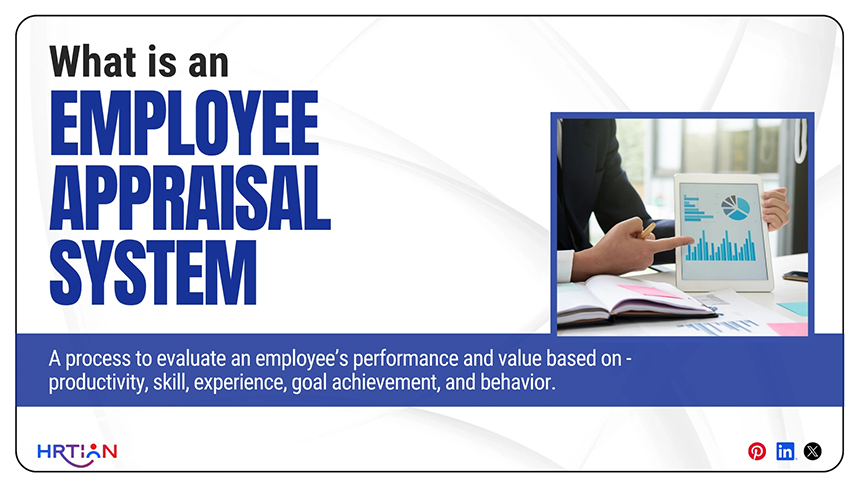
An employee appraisal system is a process that is followed to evaluate an employee’s performance and value based on different criteria such as productivity, skill, experience, goal achievement, and behavior.
A performance review system helps organizations to:
- Measure employee contributions to growth.
- Identify the weaknesses and strengths of the workforce.
- Provide feedback and design development strategies.
Most of the companies follow an annual review approach that is now becoming less effective due to significant changes in employee expectations and market competition. Now, employees desire more frequent, deeper, and meaningful feedback from their managers.
In fact, studies show employees prefer shorter and continuous appraisal cycles instead of annual reviews.
Therefore, to keep up with this shift, companies are implementing employee appraisal software that focuses on continuous feedback, rather than just once-a-year reviews.
What is Employee Appraisal Software?
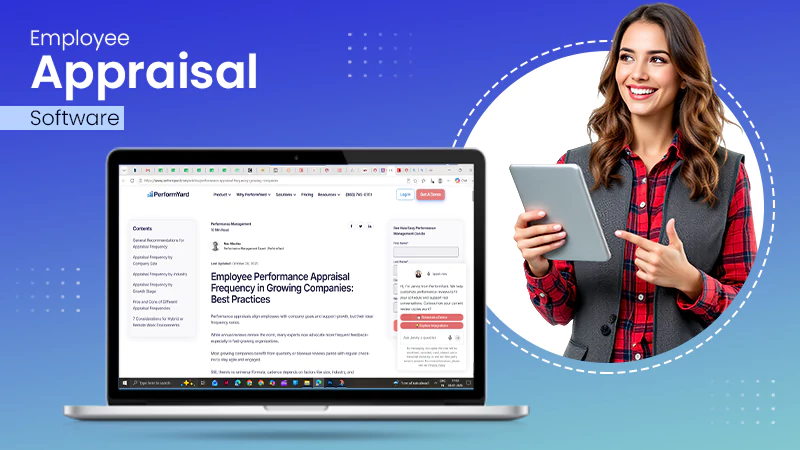
Employee appraisal software is a digital solution that automates and streamlines the performance evaluation process.
Instead of spreadsheets and manual forms, the software helps in:
- Tracking performance on a real-time basis.
- Set and monitor organizational goals.
- Conduct a 360-degree review.
- Generate in-depth analytics and reports.
The tool helps in identifying strengths, weaknesses, and training needs and is also a powerful replacement for traditional paper-based or manual appraisal systems. It also maintains accuracy, reduces administrative workload, and builds employee engagement. This allows it to be an incredibly useful tool for automation and continuous evaluation.
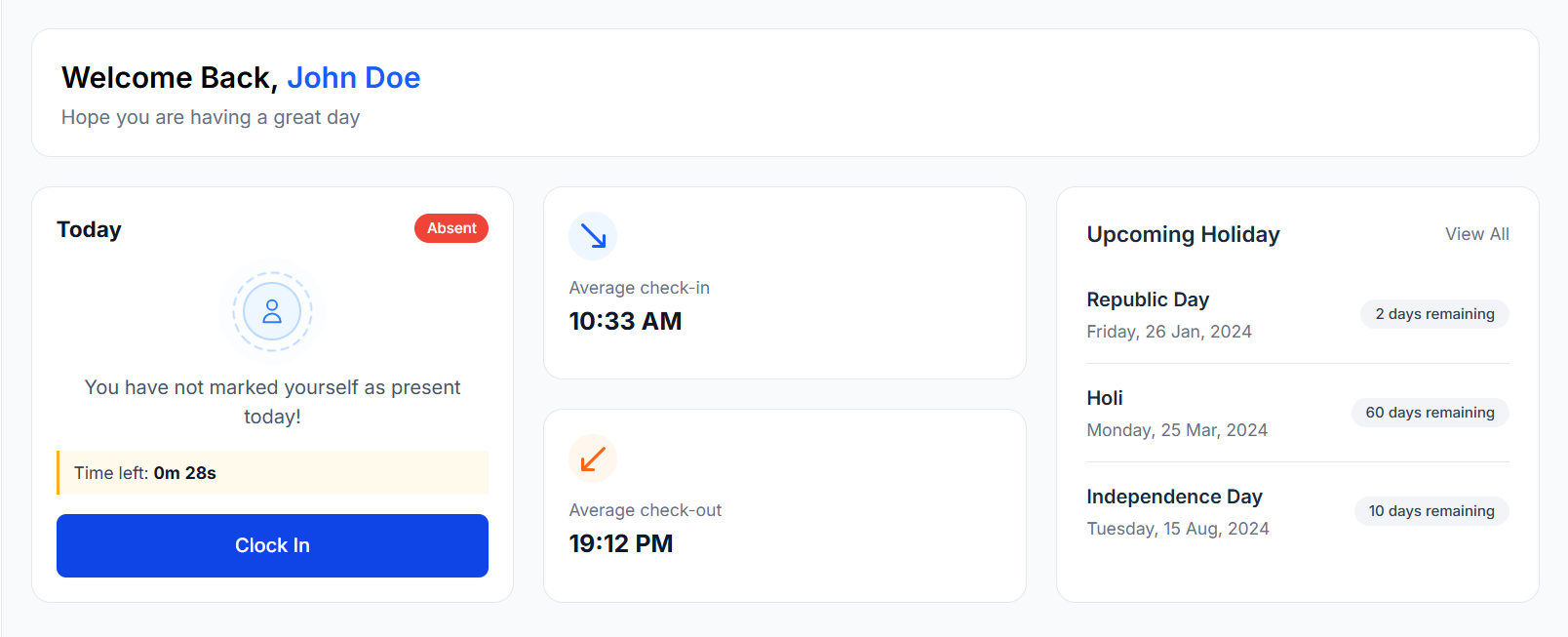
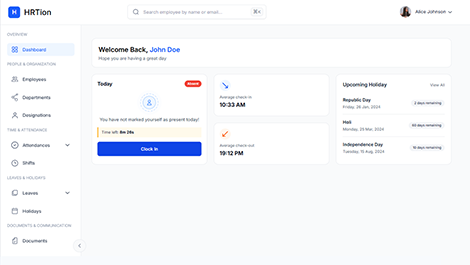
Manage the payroll, attendance, shift roles, and more in an all-encompassing HR suite. Your ultimate HR toolkit is just a click away.
Importance of the Modern Appraisal System
The Modern Appraisal System has turned from being just another routine HR activity to becoming a vital component of organizational success and strategy. It’s not just about the evaluation of past performance anymore, but rather about concentrating on continuous development.
- Lining up with Business Objectives
One of the main advantages of the modern appraisal system is its methods of aligning employee goals with organizational objectives. This makes employees understand how their individual contributions affect the company’s own objectives and helps employees to be more concentrated and goal-oriented.
- Improvement in Employee Motivation
Since the modern appraisal systems focus on continuous development and feedback, this makes it much easier for employees to provide constructive feedback, allow for regular communication and recognition, and, in turn, boost their morale and drive them to perform better. Making employees aware of their expectations and providing support ensures that employees understand their importance in the organization.
- Increased Productivity
Identification of weaknesses and strengths is also a major part of modern appraisal systems, which allows employees to continuously improve in these areas of improvement. The employees are also able to build on their strengths, and revealing weaknesses allows employees to seek out guidance to remove or minimize them. This results in an overall improvement in performance and an increase in productivity.
- Reducing Employee Turnovers
The most efficient way to establish effective appraisal systems is through finding out how well the system is at retaining employees. Research has been found to show that 26% of employees tend to quit due to a lack of recognition, and the other 64% desire better quality feedback. This shows that employees who feel appreciated and are able to voice their concerns, as well as receive good quality feedback, are more likely to stay committed to the organization.
Key Principles of the Modern Employee Appraisal System
The core principles that frame a successful modern employee appraisal system are those that ensure fairness, efficiency, and continuous development.
- Constant Feedback
Instead of limiting feedback to annual or semi-annual reviews, modern appraisal systems provide feedback regularly and constantly. Managers and employees can engage in meaningful conversations about progress, obstacles, and overall performance.
This helps employees understand and spot key weaknesses and obstacles in organizational goals and make timely improvements. Studies reveal that about 26% of employees report receiving no feedback throughout the year, causing confusion, disengagement, and reducing performance.
- Data-Driven Decisions
Depending solely on personal opinions and memory to analyze performance and feedback tends to lead to unfair evaluations due to various biases.
Modern appraisal systems, on the other hand, use various measurable metrics, performance indicators, and documented feedback for the evaluation of employee performance. This not only eliminates personal bias but also allows the formation of detailed data, which can be examined to figure out trends, areas of improvement, and high performers.
- Alignment of Goals
One key principle of modern appraisal systems is ensuring that employee goals are well aligned with organizational objectives. Detailing and providing clear-cut targets and ensuring employees realize how their individual work contributes to the company’s success brings clarity, increases accountability, and enables employees to focus.
It has been seen that around 65% of employees show a desire for clarity in goals and expectations, which only deepens the importance of proper goal alignment and its effects in improving performance.
- Transparency and Fairness
Transparency is an essential part of building trust within an organization, and modern appraisal systems highlight its importance immensely. Clarity regarding how employees are evaluated, and decisions regarding promotions, rewards, or development opportunities should be detailed and precise so employees can understand the related criteria.
Research has indicated that 89% of employees value concisely communicated appraisal criteria. Fairness and transparency in the process spike employee confidence, motivation, and overall engagement.
- Employee-Centric Approach
Modern appraisal systems support employee growth and development as well as the evaluation of performance. This is crucial for positive work environments where employees feel valued and supported, with the systems emphasizing the need for identifying strengths, finding weaknesses, and supporting growth and career development.
The employee-centric approach helps in long-term commitment and leads to higher job satisfaction.
Modern Employee Appraisal Methods
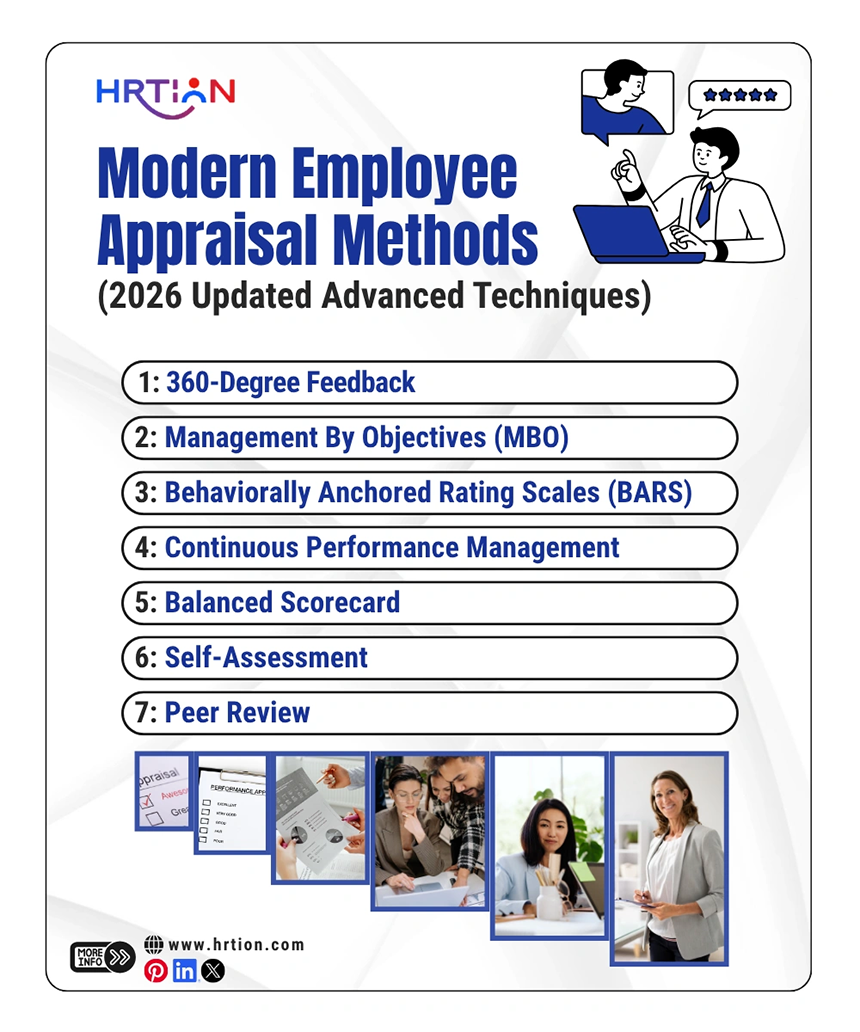
Modern employee appraisal methods are advanced techniques used to evaluate employee performance in a fair and transparent manner. These methods are focused on multiple sources, goal settings, and performance reviews by leaders and sometimes peers. The most popular modern employee appraisal methods are the following:
1. 360-Degree Feedback:
360-degree feedback is an appraisal method used widely, as it is not limited to the reviews provided by the managers only but also by the people they work with. This includes colleagues, subordinates, and team members. It provides a fair and all-around view of an employee’s skill, performance, growth, and discipline.
How it works:
- Feedback is collected using forms and surveys.
- Managers, peers, and others provide ratings and comments.
- A report is generated using all the feedback.
- The employee reviews the report to understand strengths and weaknesses.
- It works in overall development and improvement.
2. Management By Objectives (MBO)
MBO is a method where managers and employees collectively set clear and measurable goals. It focuses on achieving the targets and aligning the employee endeavors with organizational growth.
How it Works:
- Managers and employees set specific goals together.
- Goals match the company’s objectives.
- Progress is tracked regularly.
- Performance is reviewed at the end.
- Evaluation is based on goal achievement.
3. Behaviorally Anchored Rating Scales (BARS)
BARS is an appraisal method that depends on certain behaviors of the employee. It uses past examples of good and poor performance to evaluate skills in a more accurate and bias-free manner.
- Important job behaviors are identified.
- Behaviors are grouped into categories.
- Each category has a rating scale.
- Managers compare employee behavior with these examples.
- Ratings are given based on the closest match.
4. Continuous Performance Management
This method focuses on sharing regular feedback instead of just relying on annual reviews. It helps keep track of performance in a continuous manner to support consistent growth.
How it works:
- Managers and employees have regular sessions.
- Goals are updated whenever required.
- Feedback is shared immediately.
- Focus on regular improvement and development.
- Performance is tracked from time to time.
5. Balanced Scorecard
The Balanced Scorecard approach tracks performance using different areas of performance, not just financial outcomes. It provides a complete picture of employee contribution to the company’s success.
How it works:
- Performance is measured in four areas: financial, customer, internal processes, and learning & growth.
- Each area is measured through KPIs.
- Results are linked to company standards and goals.
6. Self-Assessment
Self-assessment is when employees evaluate their own performance, helping them self-analyze their own performance. It helps understand strength, what their strengths and areas of improvement are, without requiring any additional interference.
- Employees fill out a self-evaluation form.
- Review goals and performance.
- They note achievements and shortcomings.
- Everything is discussed with the respective manager.
- Final evaluation includes both views.
7. Peer Review
Peer review is when employees are evaluated by their colleagues and teammates working at the same level. This approach is mainly used to analyze teamwork and cooperation.
- Colleagues provide feedback using forms and surveys.
- Focuses on teamwork and communication.
- Reviews are performed anonymously.
- Feedback is collected and summarized.
- It is shared with the employee for improvement.
Real-Time Examples of a Successful Employee Appraisal System
Google: Uses a modern appraisal system based on OKRs and continuous feedback. Employees themselves set clear goals every few months and get regular feedback from managers.
Microsoft: Focuses on employee growth instead of fostering competition. Employees are not compared with each other but work in collaboration. Managers give feedback and performance based on teamwork and contributions.
Adobe: Uses a “check-in” system where managers and employees meet regularly to discuss work and growth-related goals and objectives. Feedback is given on a regular basis to attain improvement faster.
Netflix: Encourages employees to share honest feedback with each other. Performance is then judged based on the results received. This fosters a culture of trust and high performance.
Best Practices to Build an Effective Appraisal System
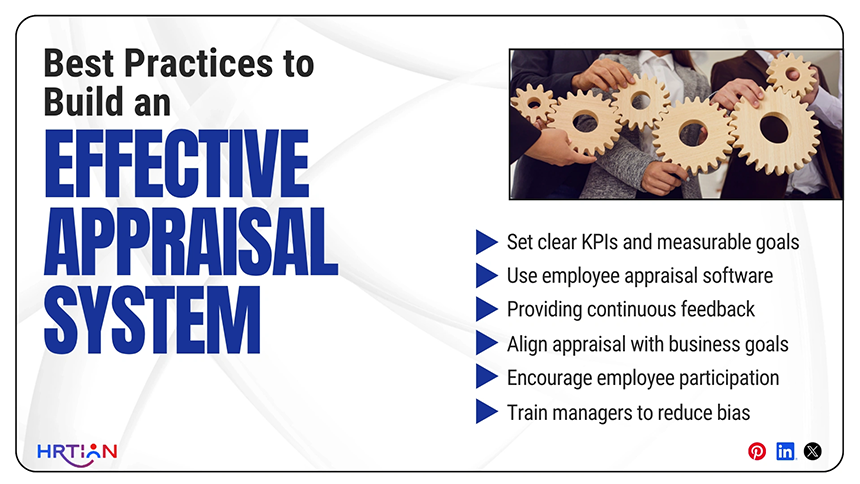
An effective appraisal system is able to provide concise and measurable methods and practices for engagement, evaluation, and feedback. Some of these practices are the following:
- Set clear KPIs and measurable goals: Clearly define what employees are expected to achieve. With measurable metrics, evaluation becomes fair, objective, and easier.
- Use employee appraisal software: Using digital tools or automation to track performance, store data, reduce manual errors, and save time to make the appraisal process easier and more efficient.
- Providing continuous feedback: Give regular feedback instead of providing reviews annually; this keeps employees motivated and productive throughout their tenure.
- Align appraisal with business goals: make sure the appraisal goals are aligned with the business’s objectives and help improve overall growth.
- Encourage employee participation: Involve employees in business endeavors through transparent goal-setting, self-assessment, and feedback.
- Train managers to reduce bias: Train managers to evaluate employees fairly and objectively. This helps remove personal bias and promote fairness in assessment.
How to Choose the Right Employee Appraisal Software
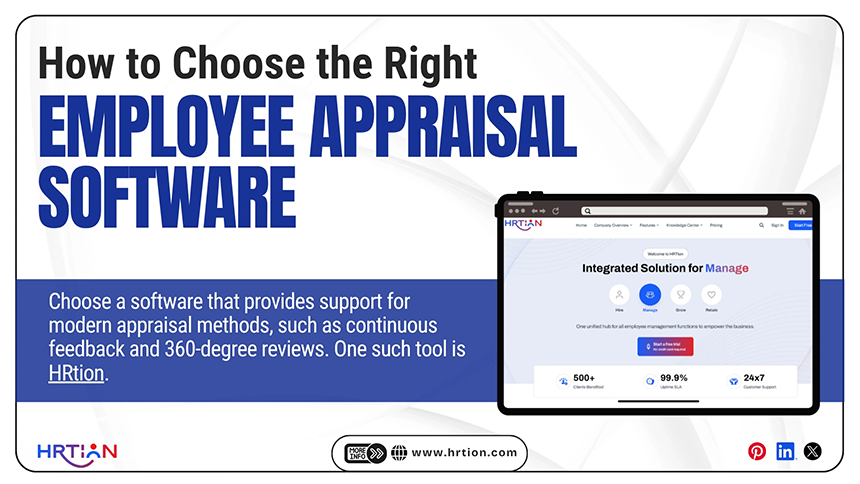
Choosing the right employee appraisal software is quite complex due to the abundance in the market. The right software can make the entire process easier, quicker, and more accurate.
Pro Tip: Always choose a software that provides support for modern appraisal methods, such as continuous feedback and 360-degree reviews. One such tool is HRtion, which is an all-rounder meant to equip HR teams with real-time data and reporting.
Considerable factors while choosing appraisal software:
- Ease of use: The software must be user-friendly and easier to navigate without requiring any technical training. A simple interface increases adoption rate and accelerates the process.
- Customization: Every company requires unique performance metrics for the completion of the appraisal process. Select software that allows you to tailor appraisal forms, workflows, and rating systems to fit your company culture.
- Integration with HR tools: The software must be able to function in integration with existing HR systems such as payroll, attendance, or HRMS platforms. This ensures consistency, accuracy, and continuity in data flow.
- Analytics and Reporting: Strong analytics help businesses identify the strengths and weaknesses. With an employee-centric dashboard and automated reports, HR teams can make more informed decisions about appraisal and growth.
- Scalability: The appraisal software must be able to grow when the company grows. A scalable solution saves time and effort required for frequent system changes.
Overcoming Challenges With The Modern Appraisal System
The Modern Appraisal System is able to provide detailed solutions to many of the issues faced by the more traditional approaches to the appraisal system. Some of these issues and their respective solutions are provided below.
| Issue | Solution |
| Resistance to Change | Clarify the benefits of the latest system and encourage the involvement of the employees early in the process. Offer support during the transition to make adoption easier. |
| Lack of Training | Construct detailed onboarding sessions and training resources, confirming that both managers and employees understand how to utilize the system effectively. |
| Bias in Evaluation | Reduce subjectivity and promote fairness by implementing continuous feedback by using a 360-degree approach. Usage of standardized criteria and data-driven insights increases fairness and objectivity in decisions. |
| Poor Feedback Quality | Managers should be trained to provide specific, actionable, and constructive feedback. Annual reviews should be replaced by regular check-ins. |
| Lack of transparency | Properly defining and sharing evaluation criteria and maintaining open communication regarding performance expectations and decision-making builds trust and transparency. |
Conclusion
In the ever-changing world of businesses and marketing, an organization must evaluate whether or not its appraisal system promotes the success of the business or not.
Changes in the workplace are starting to evolve, both in speed and efficiency. Traditional, subjective, and outdated appraisal systems tend to slow down the business and cause tons of issues with employees.
So, it is beneficial for organizations to adopt more modern appraisal systems, where transparency is encouraged, feedback is continuous, and organizational goals and employee growth are aligned with each other.
FAQs
What is an employee appraisal system?
It is a detailed process that is used to evaluate employee performance and allow for feedback.
How does employee appraisal software work?
It automates tracking performance, feedback, and reporting using digital tools.
What is a modern performance appraisal system?
It is a data-driven, continuous, and objective approach to management of performance, and growth and feedback are heavily focused upon.
What are modern appraisal methods?
Some methods include continuous feedback, transparency in decision-making, 360-degree feedback, and goal-based evaluation.
Why is a performance review system important?
It helps organizations boost productivity, employee engagement, and alignment with business goals.

Sunita Kumari is a Freelance Contributor Writer at HRTion, writing accurate, reliable, and informative content. She completed her Bachelor's from Rajdhani College of the University of Delhi. She has been a Human Resources Recruiter for almost 2 years, including over 1 year with Battersea Web Expert. Drawing on her recruitment and HR processes experience, she writes clear and practical payroll-related guides that help employees and job candidates better understand HR procedures and workplace practices.