
- What are Positive Performance Indicators?
- Key Characteristics of Positive Performance Indicators
- Uses and Benefits of Positive Performance Indicators
- Top Positive Performance Indicators
- Common Examples of Positive Performance Indicators for Different Industries
- How to Measure Positive Performance Indicators
- Difference Between KPI (Key Performance Indicators) and PPI (Positive Performance Indicators)
- How to Implement Positive Performance Indicators in Your Business
- Challenges With Measuring Positive Performance Indicators
- Best Practices to Use Positive Performance Indicators
- How HRtion Helps Track PPIs
- FAQs
Traditional parameters of measuring performance are no longer feasible for today’s dynamic workforce. The trend of using KPIs or OKRs like revenue and output is long gone; thus, modern businesses are leaning towards positive performance indicators to measure activities, behaviors, and growth of employees.
PPIs focus mainly on positive behaviors and actions that increase the chance of achieving business goals, instead of contemplating failures or problems that are a thing of the past.
Let’s learn what are Positive Performance Indicators, their benefits, and ways of implementing PPIs.
What are Positive Performance Indicators?
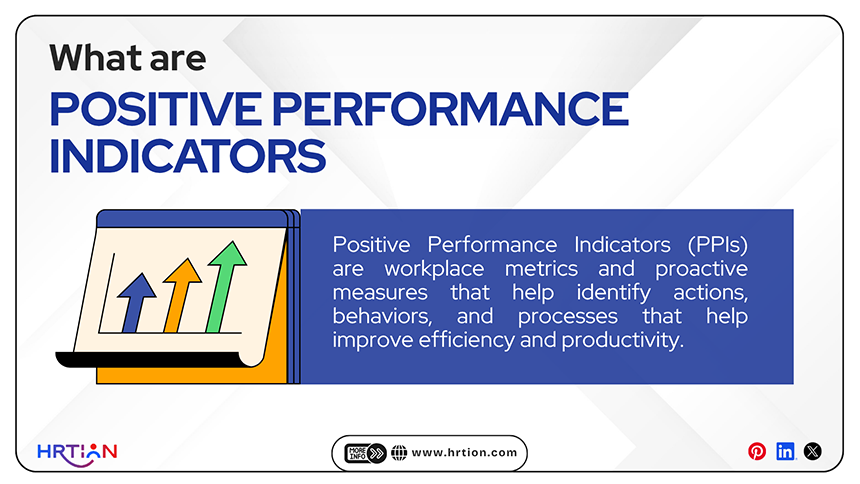
Positive Performance Indicators (PPIs) are workplace metrics and proactive measures that help identify actions, behaviors, and processes that help improve efficiency and productivity.
Where KPIs measure the aftermath, PPIs are more focused on preventing problems from occurring. This way, they help increase the likelihood of achieving business goals by promoting favorable actions. The idea was first introduced by OSHA regulations to track quality indicators used specifically to prevent issues before they become serious concerns.
For example, a company can track customer satisfaction scores and endeavor to increase them, rather than measuring the number of customer complaints.
In simple words, PPIs continuously promote aspects and practices that can help achieve business goals repetitively.
These indicators are now widely used in different industries such as HR, sales, customer service, operations, healthcare, manufacturing, and other industries.
Manage the payroll, attendance, shift roles, and more in an all-encompassing HR suite. Your ultimate HR toolkit is just a click away.
Key Characteristics of Positive Performance Indicators
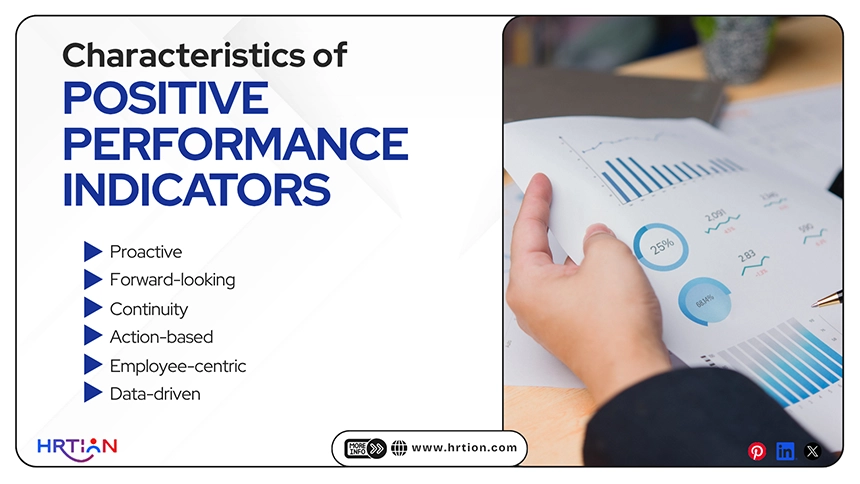
Positive Performance Indicators (PPIs) consist of certain characteristics that make them useful in improving overall organizational performance. These are:
- Proactive: PPIs are intended to prevent problems before they actually occur rather than measuring failures after they happen.
- Forward-looking: These indicators measure activities and behaviors that can engender positive future outcomes.
- Continuity: They are continuously monitored to ensure that managers and employees can consistently improve instead of being evaluated once a year.
- Action-based: Positive Performance Indicators encourage behaviors and actions that can help attain business goals.
- Employee-centric: These indicators evaluate aspects like participation, engagement, training, and development that can collectively build a skilled and motivated workforce.
- Data-driven: The company uses analytical data for parameters like engagement and participation to motivate the workforce.
Overall, PPIs help identify strengths instead of negative indicators so that a company can create a culture of learning and growth for employees, resulting in long-term organizational success.
Uses and Benefits of Positive Performance Indicators
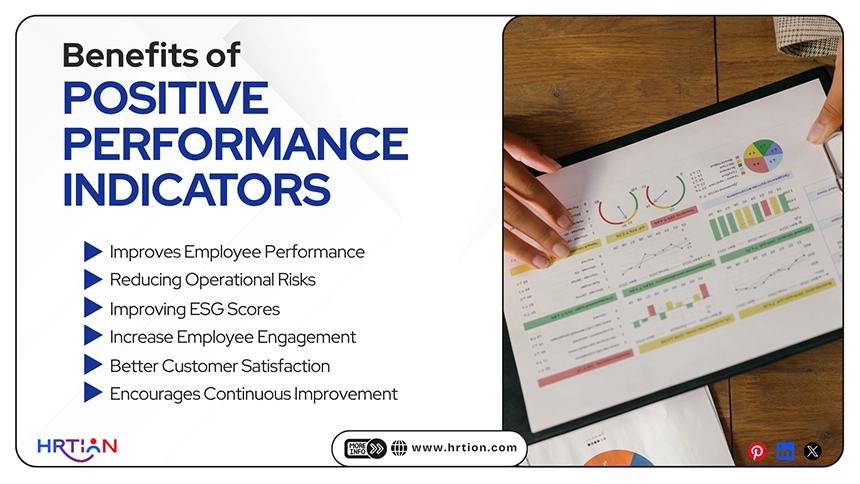
Positive Performance Indicators offer numerous benefits and are used widely by employees, teams, and organizations. They encourage improvement rather than punishment.
- Improves Employee Performance
PPIs help employees clearly understand expectations and progress consistently and continuously towards defined goals. Regular monitoring keeps employees motivated to improve work quality and productivity.
- Reducing Operational Risks
With proactive monitoring of indicators, businesses can detect potential risks and problems early and take preventive measures before they turn into serious issues.
- Improving ESG Scores
ESG stands for Environmental, Social, and Governance. PPIs help track these factors to constantly improve sustainability, ethical performance, and overall ESG ratings.
- Increase Employee Engagement
With regular feedback, training, and recognition, PPIs promote motivation, productivity, and job satisfaction for employees. This is one of the best employee engagement strategies of current times.
- Better Customer Satisfaction
By improving employee performance and service quality, these indicators indirectly enhance customer experiences and increase customer loyalty.
- Encourages Continuous Improvement
PPIs support regular monitoring of positive behaviors, thus resulting in continuous advancement in processes.
Top Positive Performance Indicators
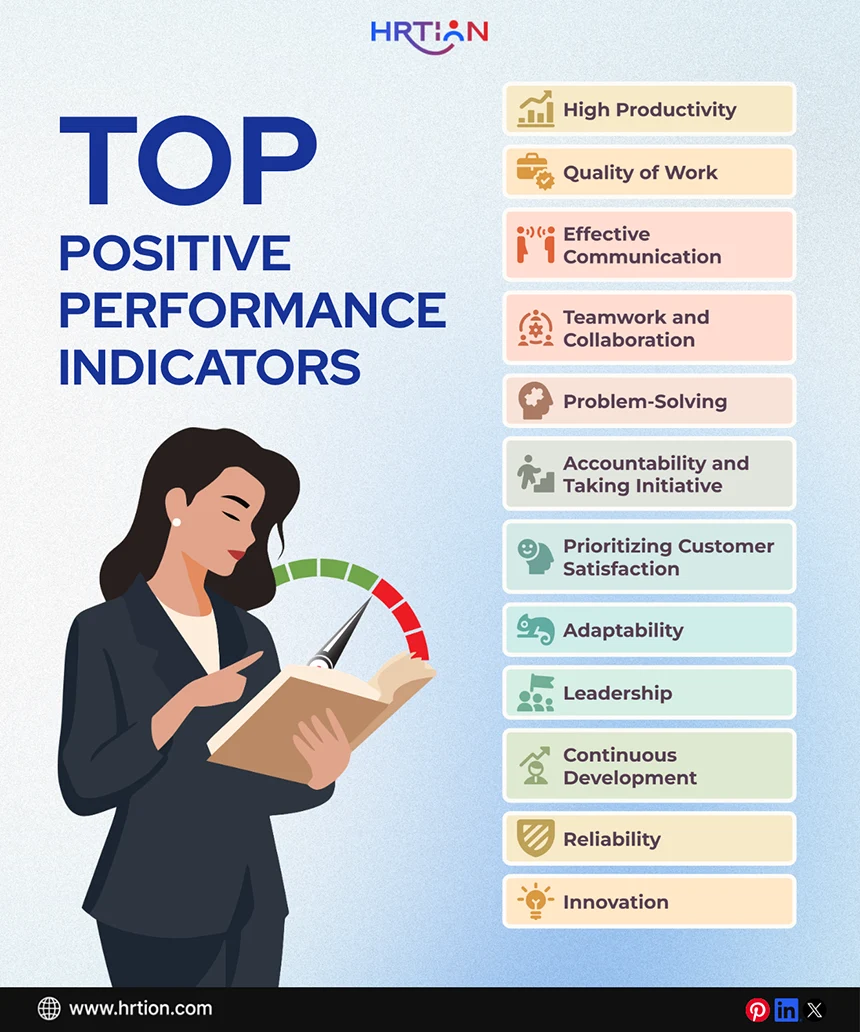
Positive performance indicators reflect positive changes in behaviors, skills, and outcomes that help businesses grow.
Here are the skills that are widely considered PPIs in almost every industry type.
- High Productivity
The most rewarded employees complete their assignments and tasks efficiently while meeting or exceeding performance targets. They can manage their time effectively, prioritize responsibilities, and maintain a steady performance without compromising the quality of work.
- Quality of Work
A strong PPI is the employee’s ability to produce accurate, thorough, and quality-driven work. The quality is determined by standards like attention to detail, low or no errors, and exceeding expectations.
- Effective Communication
Successful employees have a great level of communication. They can connect clearly, professionally, and respectfully with their managers, colleagues, and clients. Not only do they speak well, but they are good listeners too; they listen actively and take constructive feedback positively.
- Teamwork and Collaboration
Employees who can work well with other team members and contribute to a positive and productive workplace culture. They willingly share their ideas and information and support their team members to grow.
Also, employees who respect diverse perspectives and collaborate with others to achieve common goals are considered high-performing.
- Problem-Solving
High-achieving employees are the ones who can analyze situations, figure out the root cause of issues, and create practical solutions to fix problems. They approach challenges with a proactive mindset, make quick decisions, and contribute ideas to nip the hurdle.
- Accountability and Taking Initiative
Taking accountability for one’s own work, accepting the responsibility for the outcomes, and learning from any mistakes are powerful indicators of a high-performing employee.
These employees often also take initiative themselves and identify any opportunities for improvement, actively going beyond their assigned goals even without constant supervision.
- Prioritizing Customer Satisfaction
Being client-focused is a valuable skill for any employee, allowing them to easily figure out customer needs, establish strong relationships with the customer, and quickly understand any customer’s concerns clearly.
This promotes long-term loyalty and also develops the organization’s reputation amongst the customers, leaving lasting impressions that customers often return to more often.
- Adaptability
With today’s quick-paced and dynamic work environment, adaptability is becoming an increasingly necessary quality for employees to have.
As the work environment changes, employees must be able to quickly learn new skills, adjust to evolving priorities, and sustain productivity during any changing circumstances.
- Leadership
Strong-performing employees tend to have a positive influence on their teams and are able to provide support and guidance to their coworkers, motivate others, and justify their decision-making with sound data and approach.
- Continuous Development
Employees who value development and show an eagerness to willingly learn lead to innovation and long-term success for the organization as a whole.
Employees often seek ways to expand their skill sets and knowledge via training, certifications, feedback, and practical experience. This active approach ends up increasing their performance and value within the business.
- Reliability
Employees who are able to consistently meet deadlines, maintain regular attendance, and fulfill commitments and goals show dependability.
Reliability is a quality that helps managers and colleagues depend on the employee and rely on them to complete tasks accurately and within the allotted time, making them a highly important asset to every individual in the business and the organization itself.
- Innovation
Creative thinkers are able to suggest new ideas and find many opportunities when employed in an organization. These opportunities can range from streamlining simple processes, reducing costs, improving quality of products, or even increasing efficiency.
This makes it easy for the organization to remain competitive, sustain growth, and stay ahead in organizational excellence.
Common Examples of Positive Performance Indicators for Different Industries
Positive Performance Indicators help an organization measure growth, success, and quality standards. They are also useful for identifying key areas for improvement. Different industries use different sets of indicators to track goals, performance, and responsibilities.
Health and Safety
- Reduction in workplace injuries and accidents
- Completion of health and safety training
- Regular safety inspections and risk assessments
- Timely completion of corrective actions
ESG (Environmental, Social and Governance)
- Reduction in carbon emissions and energy consumption
- Increased recycling and waste reduction
- Employee wellbeing and engagement
- Diversity and inclusion initiatives
- Strong ethical standards and compliance
IT and Software
- High system uptime and reliability
- Faster reduction of technical issues
- Successful and timely software releases
- Reduction in software defects and security issues incidents
- Positive user and customer feedback
Sales
- Achievement of sales targets
- Increase in revenue and new customers
- High sales conversion rates
- Customer retention and repeat purchases
- Growth in leads and sales
Customer Service
- High customer satisfaction scores
- Fast response and resolution times
- High first-contact resolution rates
- Positive customer feedback
- Reduction in customer complaints
Education
- Improved student achievement and progression
- High attendance and engagement
- Student retention and completion rates
- Positive student feedback
- Participation in teacher training and development
How to Measure Positive Performance Indicators
PPIs are commonly measured by using both numerical and feedback metrics, which allows businesses to analyze and easily understand what employees and teams are doing well. Some of the ways organizations usually evaluate PPIs are listed below:
- Tracking Clear Indicators
Specific areas like teamwork, customer satisfaction, attendance, productivity, or employee development are taken into account while calculating the PPI.
- Measurable and Realistic Targets
Setting up targets and goals that employees can work towards and possibly achieve with effort is also a powerful step for measuring PPIs.
- Collection of Performance Data
Companies usually track performance by using attendance records, customer feedback, surveys, performance reviews, and training records. This makes it much easier to understand which employees show exactly which positive aspects and where they show it in their performance.
- Comparing Results
To find out if an employee is continuously improving themselves, businesses tend to compare the employee’s current results with previous months or years and try to locate any positive trends or improvements.
- Utilizing Employee Feedback
Asking the employee themselves as well as their co-workers about their achievements, experiences, challenges, and ideas for improvement is an easy way to collect information about an employee’s work performance and behavior.
- Listening to Customer Feedback
An employee’s interactions and quality of customer service and employee performance are also collected using customer reviews, satisfaction surveys, and any positive comments that the customer may provide.
- Monitoring Improvements
After receiving training, support, or feedback, it becomes necessary to monitor whether an employee uses the results to further improve themselves or not.
- Recognizing Achievements
Rewarding and recognizing the contributions employees and teams make by demonstrating strong performance is the best way an organization can foster improvements and developments within the business.
This incentivizes the employees to continuously find ways to better their performance and provide value to the company.
- Reviewing Indicators
PPIs should be reviewed properly and regularly to make sure that they remain relevant and continue to provide useful data about employee performance and help in developing the business itself.
Difference Between KPI (Key Performance Indicators) and PPI (Positive Performance Indicators)
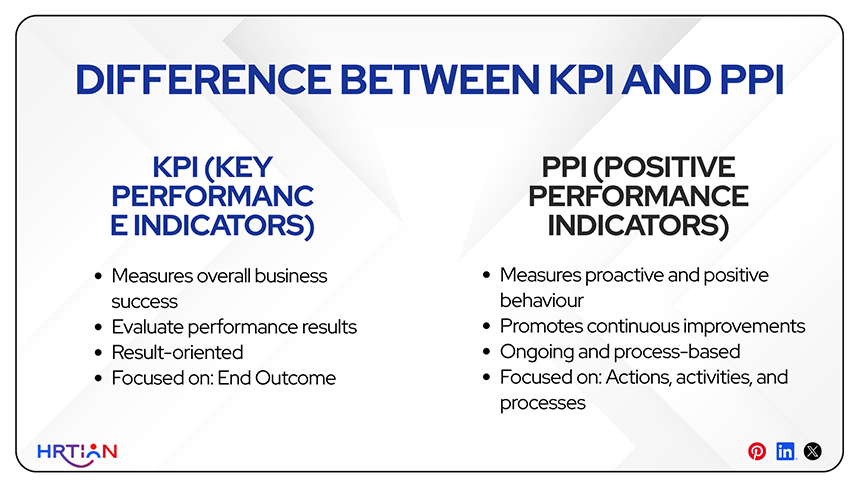
Key Performance Indicators (KPIs) and Positive Performance Indicators (PPIS) are crucial tools that help measure and improve overall organizational performance.
Key Performance Indicators
KPIs is a measurable indicator that allows a company to track the achievement of an individual, team, or department towards a specific goal. It sets a certain goal for an entity. For example, a sales department may have a KPI of achieving monthly sales of $40,000.
Positive Performance Indicators
A PPI focuses on identifying and measuring the positive aspects of performance and retaining those characteristics for prompt goal achievement. PPIs are used to highlight behaviors, improvements, contributions, and outcomes that provide good performance.
Key Difference Between KPIs and PPIs
| Aspect | KPI | PPI |
| Purpose | Measures overall business success | Measures proactive and positive behaviour leading to growth |
| Focused on | End Outcome | Actions, activities, and processes |
| Nature | It can be both positive and negative | They are usually positive and preventive |
| Goal | To evaluate performance results | Promotes continuous improvements and growth |
| Timeframe | Result-oriented | Ongoing and process-based |
| Example | Annual revenue of sales team | Weekly improvement in productivity |
| Usage | Strategic and refined performance | Daily or regular performance |
How to Implement Positive Performance Indicators in Your Business
Implementing Positive Performance Indicators (PPIs) is quite useful for a business to recognize good performance, encourage high-performing employees, and improve overall organizational outcomes.
To successfully implement PPIs, follow the steps listed below.
Step 1: Identify Business Goals
To begin with, identify what improvements your business requires. This could include customer satisfaction, employee performance, safety, productivity, and teamwork. Then, link your PPIs directly to these goals.
Step 2: Choose Relevant Indicators
Select all indicators that show positive performance. For example, a business can measure positive feedback, completed training, safety improvements, successful teamwork, and presenting fresh ideas.
Step 3: Set Clear Standards
Every employee must understand what good performance looks like within the organization they are working for. With clear standards, employees can easily work toward meeting the determined expectations. This will also let them know how their performance will be evaluated.
Step 4: Collect Performance Data
Regularly collect information about employees and team performance. To do so, use parameters like customer feedback, surveys, performance reviews, training records, safety reports, and feedback from managers and colleagues.
Step 5: Recognize Best Performances
When an employee achieves positive results or demonstrates good behavior, their performance should be recognized and rewarded. It can include praise, awards, certificates, additional responsibilities, or career development opportunities.
Step 6: Provide Regular Feedback
Managers should provide continuous constructive feedback to employees. Positive feedback can help them improve and develop further.
Step 7: Review and Improve Indicators
PPIs should be reviewed regularly to ensure that they are still relevant and useful. If an indicator is no longer helpful, it should be changed or replaced promptly.
Step 8: Encourage Employee Involvement
Employees should be involved in deciding which positive performance indicators should be used. This can encourage them to participate in operational tasks and demonstrate positive behaviors.
But, when PPIs are not handled carefully, certain challenges may arise. And they should be addressed and fixed promptly.
Challenges With Measuring Positive Performance Indicators
Companies may face these challenges while incorporating PPIs in their operations. Here are the common issues that may arise:
- Selecting the wrong metrics and tracking irrelevant indicators can affect the overall business value.
- Poor data quality or incomplete data can lead to misleading PPI conclusions.
- Behavior indicators can be evaluated subjectively, based on the manager’s perception. This can create bias and incorrect use.
- Measuring too many metrics or excessive indicators can overwhelm employees and discourage them.
- Sometimes, employees may resist the newly formed performance measurement systems if the expectations are not communicated clearly.
- The changing business priorities can outdate PPIs over time; thus, they must be updated regularly, aligning with evolving goals.
- Manual PPI tracking can be time-consuming and prone to errors. Thus, automation becomes essential.
Best Practices to Use Positive Performance Indicators
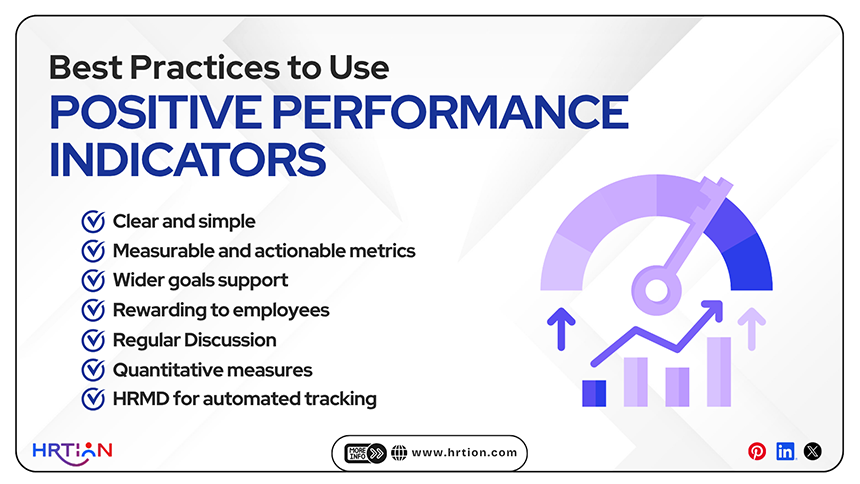
To effectively use the PPIs, follow the practices listed above. They will help get the most value out of positive indicators.
- Make sure the indicators are clear and simple so that employees can measure them on their own.
- Focus on measurable and actionable metrics so that information can be tracked or recorded. Some examples are positive customer feedback, completed training, or productivity improvements.
- PPIs should support wider goals. Simply put, the indicators help employees understand how their work will contribute to business success.
- Employees who demonstrate positive performance must be rewarded immediately and appropriately.
- Managers should regularly discuss performance with employees to highlight both achievements and areas of improvement.
- Quantitative measures are highly useful, but positive performance should be tracked from quality aspects such as teamwork, communication, creativity, and helping others.
- Use HRMD or performance management software for automated tracking of PPIs.
How HRtion Helps Track PPIs
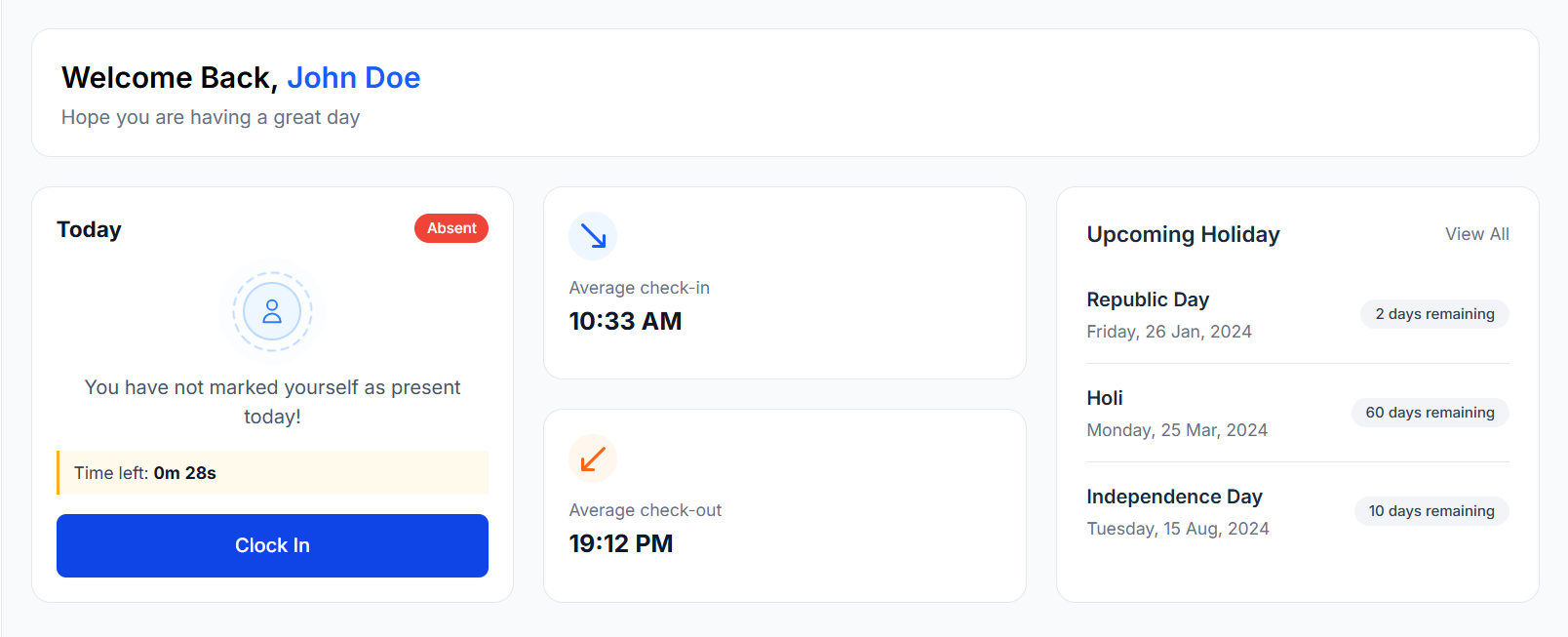
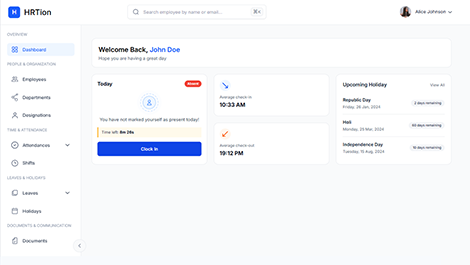
HRtion is an automated HR management tool that helps businesses manage employee information and identify different areas of workforce performance. It acts as a centralized platform for employee information for HR use. The stored data can help identify positive performance and track areas of improvement.
- Keeps attendance data in one place
- Provides reports and analytics to managers
- Supports employee engagement through a self-service portal.
- Highlights positive and negative trends to make informed decisions.
FAQs
What are Positive Performance Indicators or PPIs?
Positive Performance Indicators (PPIs) are measurable metrics that are action-based. PPIs track behavior, activities, and processes to determine employee performance and their contribution to business success.
What is the difference between Positive Performance Indicators and KPIs?
KPIs are measured through goal achievement, while PPIs are measured through actions and behaviors. PPIs are proactive, whereas KPIs are outcome-focused.
Why are Positive Performance Indicators important?
PPIs are highly crucial as they help organizations improve employee performance, increase engagement, enhance productivity, and find areas for improvement.
What are some examples of Positive Performance Indicators?
Some common examples include employee engagement scores, training completion rates, customer satisfaction (CSAT), attendance rates, sales conversion rates, project completion rates, and customer retention rates.

Bhavesh is a Guest Writer at HRTion with an academic background in HR. He did an HR management course in 2025. Before transitioning to HR content writer, he worked as an Academic Content Writer at Trident Management for over 6 years. His expertise in recruitment processes & strategies helps him write detailed and clear content that is not only informative but also accessible for everyone.