- What is Favoritism in The Workplace?
- Types of Favoritism in the Workplace
- Signs of Favoritism in the Workplace
- Examples of Favoritism in the Workplace
- Negative Effects of Favoritism in the Workplace
- How to Avoid Favoritism in the Workplace
- How to Prevent Favouritism in the Workplace
- How to Deal With Favoritism at Work as an Employee
- How HR Can Control Favoritism in the Workplace
- How HRtion Can Help Reduce Workplace Favoritism
- Conclusion
- FAQs
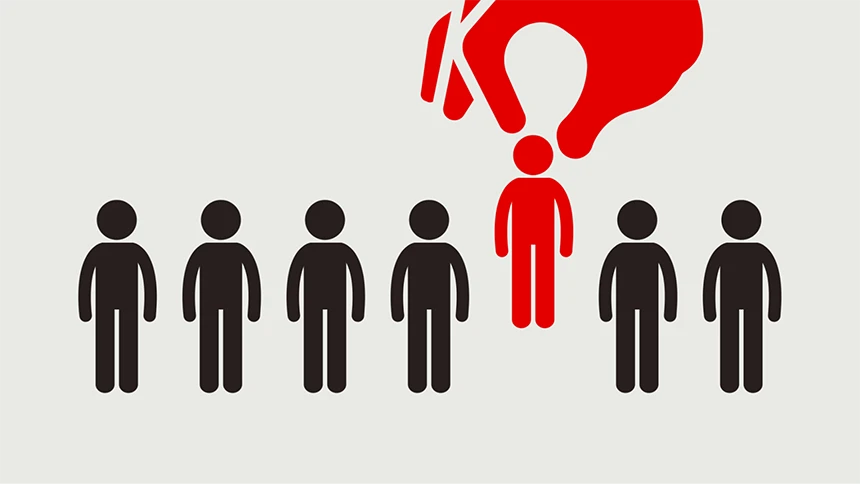
Favoritism is when certain employees receive preferential treatment because of their personal relationships. It can severely damage employee morale and weaken trust in leadership.
According to ethics.org, “Nearly 2 in 5 employees globally reported observing favoritism toward certain employees, such as friends or family members.” And “of observed favoritism cases, 59% go unreported, making it harder for organizations to address unfair treatment.”
Workplace favoritism is not only about having favorite employees/employees; it becomes a much more serious problem when personal relationships influence decisions that should be based only on merit, performance, and equal opportunities.
Here is an explanation of types, signs, examples, effects, and ways to avoid and deal with favoritism in the workplace.
What is Favoritism in The Workplace?
Favoritism in the workplace means giving one employee or a group an advantage over others without any fair or professional reason. It can influence various aspects of an employee’s life cycle, such as promotions, salary increases, performance reviews, project assignments, training opportunities, recognition, or access to management.
One clear example is that a manager may keep giving his close friend a promotion despite other employees having better qualifications or stronger performance records.
Such favors to employees with personal connections from the hands of supervisors or managers can make other workers feel connections matter more than merit or hard work.
There may be claims that favoritism is not always intentional; it can negatively impact productivity and employee engagement. When workers feel treated unfairly, they may become frustrated, disengaged, or less motivated to perform well.
To identify the difference between favoritism and legitimate recognition, assess if the decisions are driven by personal preferences or are based on performance, experience, or specific job requirements.
Types of Favoritism in the Workplace
Workplace favoritism can occur in several forms. It is not always direct or transparent or based on financial benefits like promotion or financial rewards; it can also involve regular decisions that can gradually give an advantage to certain employees.
| Type of Favoritism | Description | Example |
| Nepotism | Favoring family members over other employees. | A department head hires their cousin even though another applicant has better qualifications. |
| Cronyism | Giving special treatment to friends or close associates. | Due to their friendship, a supervisor recommends a close friend for a senior position. |
| Personal Favoritism | Treating certain employees better because of personal liking. | One team member regularly receives flexible working hours because the manager likes them. |
| Promotion Favoritism | Awarding promotions based on personal connections rather than merit. | Despite having less experience, an employee moves into a leadership role because of their close relationship with the boss. |
| Pay Favoritism | Providing higher salaries or bonuses to selected employees without a fair reason. | Two workers achieve similar results, but one receives a larger bonus because they are personally favored by management. |
| Work Assignment Favoritism | Distributing tasks and responsibilities unequally among employees. | While some staff members handle demanding projects, a favored colleague is routinely assigned easier duties. |
| Recognition Favoritism | Giving disproportionate praise, rewards, or credit to particular employees. | During a team meeting, the manager highlights one employee’s contribution but fails to acknowledge others who worked on the same project. |
| Opportunity Favoritism | Giving preferred employees greater access to training and career development. | An employee is invited to an exclusive leadership workshop, while equally qualified colleagues are not considered. |
| Disciplinary Favoritism | Applying workplace rules inconsistently depending on the employee. | Although several employees arrive late, only those without a close relationship with the supervisor receive warnings. |
Signs of Favoritism in the Workplace
Identifying favoritism needs looking for repeated patterns rather than looking at the final decisions. There can be a valid reason for selecting one employee for a project, but a consistent pattern of unfair treatment needs a closer look and proper attention.
A 2023 evidence review by the Chartered Institute of Personnel and Development (CIPD) provides useful context that reports “77% of UK workers in the 2022 Good Work Index said their managers treated them fairly in general.”
Here are the common signs of workplace favoritism:
- Unequal access to opportunities: Some employees repeatedly receive promotions, training, high-profile assignments, or mentoring.
- Inconsistent performance standards: Preferred employees always get the praise for the same type of work others are criticized for, or their mistakes are overlooked.
- Unexplained differences in rewards: Bonuses, raises, recognition, and other benefits they are handed out appear unrelated to performance.
- Selective communication: Favourite people get important information early or have access to meetings that help in their work, while others are often excluded.
- Unequal flexibility: Schedules are often rearranged for those who get preferences. This often also leads to certain workers getting extensions to deadlines easily, or even special exceptions from workplace rules that include everyone else.
- Limited accountability: Ordinary and normal workers often get stricter disciplinary measures for inaccuracies when compared to their more favored colleagues, who end up facing little to no consequence for similar actions or inactions.
- Dismissed concerns: Any reports regarding unfair treatment may receive no attention at all, with managers refusing to investigate complaints or provide any definite and clear explanations.
- Restricted career progression: Employees who are capable and have the necessary skills and qualifications for advancement opportunities can lose their chances to progress to their colleagues who form stronger personal connections and are favored more than others.
Important Note: To identify favoritism, HR must focus on comparing OKRs and KPIs, and other tangible factors. Differences may not automatically prove partiality, but they can reveal patterns that require explanation.
Examples of Favoritism in the Workplace
A few simple and practical examples that can make it easier to recognize favoritism in everyday business situations.
Example 1: Unfair Promotions
The two employees have similar experience and consistently meet their performance targets. However, a manager promotes employees they socialize with outside of work without providing a clear, documented reason.
Why it is favoritism: The decision appears to rely on personal relationships rather than clearly defined job requirements, skills, or results.
Example 2: Unequal Workload Distribution
A team leader regularly assigns urgent or difficult projects to one group of employees while giving the easiest tasks to a few preferred people. Despite receiving less demanding work, the favorite ones get similar or higher performance ratings.
Why it is favoritism: Employees are not evaluated against comparable expectations, which can result in distorted assessments.
Example 3: Preferential Treatment
A manager approves flexible working hours and regular leave requests to close friends but usually rejects comparable requests from other employees without explaining the real difference between the actions taken.
Why is it favoritism: Similar requests appear to be judged using different standards driven by personal preferences.
Example 4: Favoritism in Performance Reviews
The manager describes favorite employees as future leaders despite missed deadlines. Meanwhile, other employees who are equally capable and deliver their work on time receive average ratings because the manager considers them less personable.
Why is it favouritism: Personal impressions are taking priority over measurable contributions and consistent evaluation standards.
Example 5: Unequal Recognition and Visibility
A manager regularly credits a preferred employee for team achievements while failing to acknowledge contributions of colleagues who completed most of the work in a project.
Why is it favoritism: Recognition becomes disconnected from actual contributions, potentially affecting morale and future career opportunities.
Negative Effects of Favoritism in the Workplace
Favoritism at work can produce severe adverse effects. Some of the common results of favouritism and bias are listed below.
Reduced employee motivation: Favoritism can create feelings of frustration, disappointment, and dissatisfaction among employees.
Lack of trust in management: When managers show preference towards certain employees, others may lose trust in the decisions of leadership.
Increased workplace conflicts: Favoritism can create jealousy, resentment, and misunderstandings among colleagues, affecting workplace relationships.
Reduced productivity: Employees who feel undervalued may become less committed to their responsibilities, leading to lower productivity and growth.
Unfair promotions and rewards: Qualified and hardworking employees may be overlooked for promotions, bonuses, or other opportunities in favor of preferred employees.
Poor teamwork: Unfair treatment can create division among employees, reducing cooperation, collaboration, and team spirit.
Limited professional growth: Employees who are less favored despite being hard-working may not receive enough career opportunities for training, skill development, and career advancement.
Poor decision-making: Managers may make decisions based on personal relationships rather than the employee’s skills, qualifications, and performance.
Damage to organizational reputation: Managers may make decisions based on personal relationships rather than employees’ skills, qualifications, and performance.
How to Avoid Favoritism in the Workplace
Preventing favoritism requires more than informing managers to treat everyone equally. Some common ways to reduce or remove any sort of favoritism in the workplace are detailed below:
1. Create Clear Policies
Awareness of policies in an organization is one of the easiest ways to reduce favoritism. Clarity in details about equal and fair treatment makes it difficult for favoritism to develop without any clear reasons; thus, create an employee handbook explaining the repercussions of favoritism in detail.
2. Promote Merit-Based Decisions
Any rewards, promotions, or career opportunities should be provided to those employees who have the necessary skills, performance, qualifications, and achievements rather than personal preferences. This also acts as an incentive for others to work harder and more efficiently to progress their career further.
3. Maintain Transparency
Transparency in decisions related to recruitment, performance evaluations, promotions, and salary increases drastically reduces any chances of favoritism.
4. Ensure Fair and Equal Treatment
Providing every employee with the same amount of respect, support, and opportunity without any special exceptions for any particular individual is a good way to fight favoritism from the managers’ side.
5. Utilize Objective Performance Evaluations
There should be measurable and clear performance standards that organizations can use to evaluate employees fairly and consistently.
6. Equal Access to Every Employee
Access to training programs, professional development, important projects, and career advancement opportunities for every employee should be seen as a priority in every organization.
7. Encourage Open Communication
Employees should be able to report and discuss any concerns regarding unfair treatment comfortably without worrying about punishment or discrimination.
8. Establish a Complaint Mechanism
A confidential and impartial system should be set up by an organization through which employees can report favoritism of any kind as well as other forms of unfairness in the workplace.
9. Properly Train Managers and Supervisors
Managers and supervisors should be trained properly and effectively on understanding workplace ethics, unconscious bias, and fair decision-making so they can recognize and prevent any sort of favoritism they themselves or other managers or supervisors might end up showing.
10. Conduct Regular Audits
Regularly reviewing promotion decisions, performance ratings, salary adjustments, and work assignments through audits is an excellent strategy to combat favoritism in the workplace, as audits are great tools when it comes to identifying patterns of unfair treatment.
11. Foster Accountability
Managers and supervisors should be held properly accountable for their decisions and any violation of organizational policies.
12. Develop an Inclusive Work Culture
Organizations should further develop and promote teamwork, mutual respect, diversity, and inclusion so every employee feels valued and a positive environment is created and appreciated by all.
How to Prevent Favouritism in the Workplace
Preventing favoritism requires training managers to treat everyone equally. Organizations need to promote consistent decision-making, set clear expectations, and establish accountability.
Here are some practical ways to reduce favoritism:
1. Establish clear workplace policies
Create written policies that explain how promotions, reviews, and bonuses will take place within the company. Make sure employees understand these policies and know where to raise concerns.
Not only employees but also managers should handle conflicts of interest and situations involving close people like relatives, close friends, or personal relationships.
2. Use Objective Workplace Policies
Define performance expectations before evaluating employees. Depending on the role, these may include project completion, quality of work, customer satisfaction, sales results, productivity, or goal achievement.
Managers should keep all the documented evidence supporting their ratings rather than depending on random or personal judgments.
SHRM’s guidance on reducing bias in performance evaluations describes how structured criteria, specific evidence, and consistency checks can help make assessments fairer.
3. Standardize Promotions and Rewards Decisions
Use the same criteria while assessing employees working in similar positions. Managers must explain why a candidate meets the requirements, supported by appropriate records of the decision.
For important promotions, consider using a panel or second reviewer instead of relying on a manager’s judgment.
4. Train Managers to Recognize Bias
Provide practical training on unconscious bias, conflicts of interest, fair performance management, and consistent decision-making.
Managers should know that familiarity, shared interest, communication, and personal relationships can affect their judgment intentionally or unintentionally.
5. Create Equal Access to Career Opportunities
Advertise development programs, internal vacancies, mentoring opportunities, and high-visibility assignments to all eligible employees rather than offering them to a few selected ones.
Managers should also consider employees working remotely, part-time, or on different shifts so that visibility or proximity do not substitute for performance.
6. Encourage Open Communication
Give employees safe and accessible ways to raise concerns, ask questions about workplace decisions, and provide feedback.
Depending on the organization, this might include HR channels, employee surveys, skip-level meetings, or a formal grievance process.
7. Review workplace decisions regularly
HR can monitor all related indicators, such as promotion rates, pay changes, training participation, performance ratings, disciplinary actions, and leadership opportunities, to get clear insights regarding existing favoritism.
The aim of this practice is not to expect the same outcomes for all employees but to ensure that differences between the outcomes are supported by fair, consistent, and job-related reasons
How to Deal With Favoritism at Work as an Employee
Dealing with favoritism at work as an employee can be challenging because you constantly feel your efforts are overlooked.
This can affect motivation, confidence, and job satisfaction. However, instead of acting irrationally, it is advised to remain professional to protect your interests and maintain a positive work environment.
1. Recognize the Signs of Favoritism
Before taking any action, identify whether favoritism is actually occurring. There are a few common signs to look for. Make sure you assess the repeated patterns rather than isolated incidents to avoid making assumptions based on a single situation.
2. Focus on Your Performance
Although favoritism can make career advancement feel unfair, continue to focus on delivering quality work and meeting your goals. Keep track of your accomplishments, completed projects, positive feedback, and measurable results.
Documenting your contributions helps demonstrate your value during performance reviews, promotion discussions, and conversations with management.
3. Maintaining Professional Relationships
Avoid confronting favored colleagues or engaging in workplace gossip. The issue may lie in management decisions rather than the colleagues themselves. Instead, maintain respectful relationships with coworkers, communicate professionally, and build a network of people who are able to recognize skills and contributions.
Strong professional relationships can also provide valuable support and perspective.
4. Communicate Your Concerns Professionally
If favoritism is affecting your opportunities, consider having a private conversation with your manager. Focus on specific situations and their impact on your work rather than making personal accusations.
For example, you could ask how project- and assignment-related decisions are determined and what you can do to qualify for future opportunities.
5. Keep a Record of Relevant Incidents
Maintain factual records of review work assignments, performance feedback, promotion criteria, and communications that you are authorized to access. Save copies of performance reviews and work achievements where permitted by company policy.
Avoid taking confidential company information or other employees’ private records without authorization.
6. Ask Your Manager for Clarifications
If you feel comfortable doing so, request a private conversation with your manager. Focus on the decision and the criteria used rather than making personal accusations.
For example, you might ask:
- What qualifications were considered for the recent promotion?
- What skills or results do I need to demonstrate to qualify for similar opportunities?
- How are high-visibility assignments allocated across the team?
- Can we agree on measurable goals for my next performance review?
7. Consider Your Long-term Options
If the organization repeatedly ignores legitimate concerns and offers no credible path to improvement, consider other teams and a different manager or external career opportunities.
You do not have to make an immediate decision, but it is better to look for reasonable options after assessing whether the current workplace supports professional growth.
How HR Can Control Favoritism in the Workplace
HR plays an important role in maintaining fairness and reducing bias. The most effective approach is combining transparent policies, consistent processes, accessible reporting channels, and regular reviews.
1. Strict Policies
Create detailed and formalized anti-favoritism HR policies and a compliance framework. There should be strict guidelines regarding unacceptable preferential treatment, as well as explanations of how conflicts of interest are disclosed.
The process for reporting and investigating unfairness concerns should also be properly outlined. The policy should also apply consistently across different departments and management levels.
2. Standardize Clarity in Evaluation
Establish role-specific goals, accurately define the criteria for evaluation tests, and schedule regular feedback, and requirements for documented evidence should be prioritized for decision-making.
Reviewing ratings across many teams and identifying any unexplained differences between similarly situated employees helps to find out any subtle signs of favoritism.
3. Properly Structured Hiring and Promotion Processes
Favoritism can be easily reduced or even removed from the promotion and hiring processes if the criteria for selections and promotions are detailed and set before reviewing candidates or employees.
Consistent interview questions, where appropriate, and documentation, along with complete reasoning for final decisions, make it difficult to base decisions on personal opinion.
4. Foster Accountability Among Managers
Managers should be trained on ways to recognize favoritism, similarity bias, proximity bias, and conflicts of interest. They should be able to not only identify favoritism shown by other managers or supervisors but also by themselves, consciously or unconsciously.
Constantly reviewing how managers allocate opportunities and providing feedback helps remove any last traces of favoritism.
5. Provide Easy Accessibility for Complaints
Employees should be able to raise and voice their concerns about unfair treatment without having to approach their managers or supervisors.
The reports should be kept confidential and assessed with complete impartiality, and the next steps for solving the problems should be communicated to the fullest extent possible.
6. Check Trends and Investigate Inconsistencies
Clearly check and review promotion outcomes, compensation decisions, employee survey results, training access, and complaints.
Relevant groups and departments should be compared regarding performance, though employee privacy should be maintained and heavily prioritized.
How HRtion Can Help Reduce Workplace Favoritism
HRtion helps HR teams to make workplace decisions more transparent, consistent, and accountable. HR technology can support this work and help organizations maintain employee records and document performance, standardize HR processes, and identify patterns that deserve closer attention.
This HR technology minimizes personal bias and promotes equal opportunities for all employees. HRtion can ensure that workplace decisions are based on merit, performance, and professional skills rather than personal relationships.
Here are the ways this robust tool can help companies address the situations that can allow favoritism to develop:
- Promotes transparent performance evaluations to ensure employees are assessed fairly.
- Supports fair recruitment and promotions based on skills, qualifications, and performance.
- Helps establish standardized HR policies across all departments.
- Ensures equal opportunities for all employees in career growth and development.
- Encourages anonymous employee feedback to identify workplace concerns.
- Helps in data-driven decision-making to reduce personal preferences.
- Ensures the consistent application of workplace rules and regulations.
- Improves accountability by encouraging fair and responsible decisions.
Conclusion
Favoritism in the workplace can negatively affect the trust, motivation, and productivity of team members. It can create a feeling of unfairness and limit access to career opportunities for employees. Therefore, organizations must promote transparency, equal opportunities, and unbiased decision-making.
The most direct ways to handle favoritism are implementing fair policies, encouraging employee feedback, and holding managers accountable, which can reduce favoritism and create a positive, inclusive, and productive work environment.
Employees have a role to play too! Documenting specific incidents, asking for clear feedback, and using appropriate procedures can help them address unfair treatment constructively.
FAQs
What is favoritism in the workplace?
Favoritism in the workplace occurs when a manager or decision-maker gives certain employees preferential treatment for personal reasons rather than legitimate job-related criteria.
What are the common signs of workplace favoritism?
Some common signs include repeated promotions for preferred employees, unequal access to training, inconsistent performance ratings, selective sharing of information, unexplained differences in workload, and different disciplinary standards for employees in similar circumstances.
What is an example of favoritism at work?
A manager repeatedly assigns leadership projects to a close friend even though there are other eligible employees with comparable qualifications and relevant experience. The assignments are based on their personal relationships rather than documented business needs or objective criteria.
What is the difference between favoritism and nepotism?
Favoritism is a broader practice of giving someone preferential treatment for personal reasons. Nepotism is a specific form of favoritism involving relatives.
Is favoritism in the workplace illegal?
Favoritism is not automatically illegal in every situation. However, it may raise legal issues if the decisions are based on unlawful discrimination, retaliation, or violations of applicable employment laws.

Bhavesh is a Guest Writer at HRTion with an academic background in HR. He did an HR management course in 2025. Before transitioning to HR content writer, he worked as an Academic Content Writer at Trident Management for over 6 years. His expertise in recruitment processes & strategies helps him write detailed and clear content that is not only informative but also accessible for everyone.